workstudioinsightslet's talk ↗
We turn ideas into digital products.
  • Home
  • Work
  • Studio
  • Insights
  • Let's talk

Find us

  • Instagram
  • LinkedIn
The Race To Startup Perfection

The Race To Startup Perfection

Lessons Learned About Building, Releasing, and Moving Fast. Why Momentum Beats Neatness in Building Companies

September 29, 2025

When I first began working on startups, I approached them with the mindset of an engineer. My instinct was to get things right, to make things neat, to perfect the foundation before moving forward. That mindset works well when you are writing code, designing systems, or solving problems in a technical environment. Precision matters in engineering. But I’ve learned over time that startups operate on a completely different set of rules. They don’t reward neatness. They don’t reward perfection. They reward speed, momentum, and adaptability.

The truth is that everything you think is “right” in the early days almost always changes. The features you are certain users will love turn out to be irrelevant. The problems you think are critical turn out to be minor. Even the things you spend weeks perfecting often end up discarded, rewritten, or reimagined within months. The startup journey is fluid, and it constantly shifts under your feet. That’s why perfection can actually be a trap. You can pour endless hours into polishing something only to discover it wasn’t the thing that mattered.

What I’ve learned is that startups are about getting things out into the world quickly. Build and release fast. It sounds simple, almost obvious, but for someone trained to prioritize correctness it’s a difficult habit to unlearn. You have to lower the bar you set for yourself. You have to resist the urge to build a clean, complete, elegant system before you launch. Instead, you focus on the core—the one thing that delivers value—and ship it. The mess can come later. Progress is what counts. Startups die chasing perfection, but they survive and grow by moving quickly, by putting something real in people’s hands, and by learning from what happens next.

From a technical perspective, this shift is uncomfortable but necessary. It’s about releasing imperfect things and trusting that iteration will carry you forward. It’s about being okay with the fact that your assumptions will be wrong and your architecture will change. The test of a startup isn’t whether the product is flawless—it’s whether anyone actually wants it. And you can only discover that by releasing, not by endlessly refining.

But there’s another side to this lesson, one that has been even more important for me to understand: the business side of startups is fundamentally about people. Talking to people, building a network, finding allies—this is what really moves things forward. Too often, engineers and product-focused founders try to build in isolation, believing that a great product will naturally find its way into the world. It rarely works like that. Especially if you are looking to raise money or gain early traction, you need to be around the people who can make things happen.

The most valuable insights I’ve gained have come from conversations, not from code. By talking to customers, potential partners, and other founders, I’ve been able to uncover what actually matters, what doesn’t, and where the opportunities are. And when it comes to growth and fundraising, networks matter even more. Startups thrive when founders put themselves in the right rooms, when they find people who believe in their mission, and when they cultivate relationships that open doors. The product might be good, but without the right people to amplify it, it struggles to take off.

That lesson extends to building a team as well. The most important thing isn’t hiring perfect people—it’s hiring people who can get things done. Startups are not built by flawless strategists or perfectionists who overthink every decision. They’re built by resourceful doers who can adapt quickly, take risks, and make progress even in messy conditions. As cliché as it sounds, you want people who can “move fast and break things.” Because in a startup, action creates momentum, and momentum is what keeps the company alive.

Looking back, the pattern is clear. Startups succeed when they focus on speed and adaptability. They succeed when founders let go of the illusion of perfection and instead prioritize learning through action. They succeed when they are connected to the right people, building networks that amplify their reach and open doors that would otherwise stay closed. And they succeed when they surround themselves with teams who are capable of execution, not endless debate.

Startups fail, on the other hand, when they slow down. They fail when they obsess over details that don’t matter. They fail when they chase polish at the expense of progress, or when they avoid conversations that could open opportunities. Perfection kills. Momentum saves.

If there is one overarching lesson I’ve learned, it’s this: startups are not about perfect—they are about momentum. The companies that survive are not necessarily the ones with the cleanest code or the most refined design. They are the ones that launch early, learn quickly, adapt constantly, and build the networks that keep them moving. The ones that succeed are not the ones who waited until they were ready—they are the ones who moved before they were.

Ollie Darby

About Ollie Darby

Ollie Darby, is the co-founder of Tradible, a visionary leader in the realm of digital collectibles. With a robust background as a skilled full-stack software engineer, Ollie's expertise spans across a spectrum of technologies.

The Race To Startup Perfection

Lessons Learned About Building, Releasing, and Moving Fast. Why Momentum Beats Neatness in Building Companies

September 29, 2025

When I first began working on startups, I approached them with the mindset of an engineer. My instinct was to get things right, to make things neat, to perfect the foundation before moving forward. That mindset works well when you are writing code, designing systems, or solving problems in a technical environment. Precision matters in engineering. But I’ve learned over time that startups operate on a completely different set of rules. They don’t reward neatness. They don’t reward perfection. They reward speed, momentum, and adaptability.

The truth is that everything you think is “right” in the early days almost always changes. The features you are certain users will love turn out to be irrelevant. The problems you think are critical turn out to be minor. Even the things you spend weeks perfecting often end up discarded, rewritten, or reimagined within months. The startup journey is fluid, and it constantly shifts under your feet. That’s why perfection can actually be a trap. You can pour endless hours into polishing something only to discover it wasn’t the thing that mattered.

What I’ve learned is that startups are about getting things out into the world quickly. Build and release fast. It sounds simple, almost obvious, but for someone trained to prioritize correctness it’s a difficult habit to unlearn. You have to lower the bar you set for yourself. You have to resist the urge to build a clean, complete, elegant system before you launch. Instead, you focus on the core—the one thing that delivers value—and ship it. The mess can come later. Progress is what counts. Startups die chasing perfection, but they survive and grow by moving quickly, by putting something real in people’s hands, and by learning from what happens next.

From a technical perspective, this shift is uncomfortable but necessary. It’s about releasing imperfect things and trusting that iteration will carry you forward. It’s about being okay with the fact that your assumptions will be wrong and your architecture will change. The test of a startup isn’t whether the product is flawless—it’s whether anyone actually wants it. And you can only discover that by releasing, not by endlessly refining.

But there’s another side to this lesson, one that has been even more important for me to understand: the business side of startups is fundamentally about people. Talking to people, building a network, finding allies—this is what really moves things forward. Too often, engineers and product-focused founders try to build in isolation, believing that a great product will naturally find its way into the world. It rarely works like that. Especially if you are looking to raise money or gain early traction, you need to be around the people who can make things happen.

The most valuable insights I’ve gained have come from conversations, not from code. By talking to customers, potential partners, and other founders, I’ve been able to uncover what actually matters, what doesn’t, and where the opportunities are. And when it comes to growth and fundraising, networks matter even more. Startups thrive when founders put themselves in the right rooms, when they find people who believe in their mission, and when they cultivate relationships that open doors. The product might be good, but without the right people to amplify it, it struggles to take off.

That lesson extends to building a team as well. The most important thing isn’t hiring perfect people—it’s hiring people who can get things done. Startups are not built by flawless strategists or perfectionists who overthink every decision. They’re built by resourceful doers who can adapt quickly, take risks, and make progress even in messy conditions. As cliché as it sounds, you want people who can “move fast and break things.” Because in a startup, action creates momentum, and momentum is what keeps the company alive.

Looking back, the pattern is clear. Startups succeed when they focus on speed and adaptability. They succeed when founders let go of the illusion of perfection and instead prioritize learning through action. They succeed when they are connected to the right people, building networks that amplify their reach and open doors that would otherwise stay closed. And they succeed when they surround themselves with teams who are capable of execution, not endless debate.

Startups fail, on the other hand, when they slow down. They fail when they obsess over details that don’t matter. They fail when they chase polish at the expense of progress, or when they avoid conversations that could open opportunities. Perfection kills. Momentum saves.

If there is one overarching lesson I’ve learned, it’s this: startups are not about perfect—they are about momentum. The companies that survive are not necessarily the ones with the cleanest code or the most refined design. They are the ones that launch early, learn quickly, adapt constantly, and build the networks that keep them moving. The ones that succeed are not the ones who waited until they were ready—they are the ones who moved before they were.

Ollie Darby

About Ollie Darby

Ollie Darby, is the co-founder of Tradible, a visionary leader in the realm of digital collectibles. With a robust background as a skilled full-stack software engineer, Ollie's expertise spans across a spectrum of technologies.

What did you think of this post?

AmazingGoodMehBad
Thanks for rating this post—join the conversation by commenting below.

Subscribe to Circle Square Blog

Get the latest insights on AI, design, and technology

StarStarStarStarStar

"This might be the best value you
can get from an AI subscription."

- Jay S.

MailEvery Content
AI&I PodcastAI&I Podcast
CoraCora
SparkleSparkle
SpiralSpiral

Join 100,000+ leaders, builders, and innovators

Community members

Email address

Email

Already have an account? Sign in

What is included in a subscription?

Daily insights from AI pioneers + early access to powerful AI tools

SparkleSpiralAI&I PodcastEveryCora
PencilFront-row access to the future of AI
CheckIn-depth reviews of new models on release day
CheckPlaybooks and guides for putting AI to work
CheckPrompts and use cases for builders
CheckIn-depth reviews of new models on release day
CheckPlaybooks and guides for putting AI to work
CheckPrompts and use cases for builders
SparksBundle of AI software
Sparkle

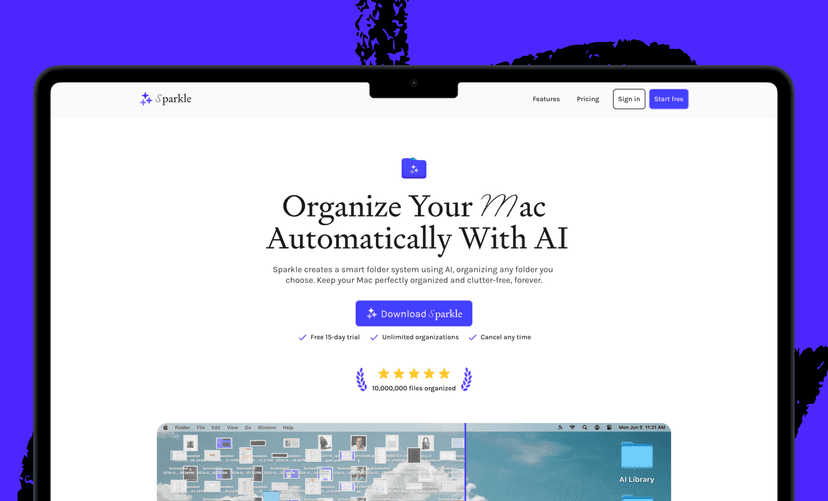
Sparkle:Organize your Mac with AI

Cora

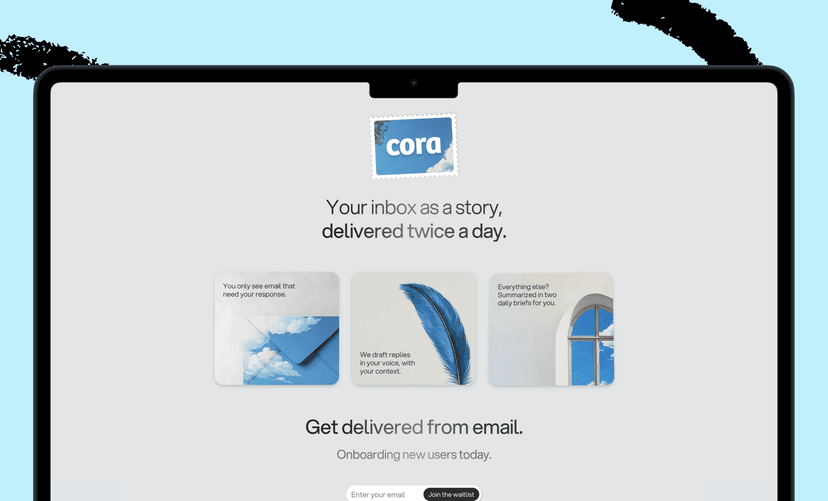
Cora:The most human way to do email

Spiral

Spiral:Repurpose your content endlessly

Sparkle
Sparkle:Organize your Mac with AI
Cora
Cora:The most human way to do email
Spiral
Spiral:Repurpose your content endlessly

Related Essays

The Unspoken Reality of Raising a Seed Round

The Unspoken Reality of Raising a Seed Round

Startups love to celebrate funding rounds, but few talk about what it actually takes to get there—or how little clarity exists along the way.

Oct 6, 2025

Ollie DarbyOllie Darby

Say no more It's a match ↓

  • General questions
    hello@circlesquare.studio
  • New business enquiries
    Contact
  • Instagram
  • LinkedIn
  • 3rd Floor, 86-90 Paul Street London England EC2A 4NE United Kingdom

    GPS
    N 51° 31' 32.32" W 0° 5' 01.15"
  • Psst Psst. Wanna get Spammm?

Venture — coming soon. We co-build with founders.

Tell us what you're building. Give us the real version — what stage you're at, what's broken, what you need. The more honest you are, the faster we can tell you whether we can help.

01.
Brief us on what you need:
02.
Budget (£)
03.
Your Company
04.
Your Name
05.
Your Email
06.
Project Details
07.
Project Delivery Date
08.
How did you find us?

FAQ

Eight things worth knowing before we work together.

  • Mostly early-stage startups and founders building something for the first time — or rebuilding something that didn't work the first time. We've been through it ourselves, so we understand the constraints.

  • We're flexible. Sometimes it's a full brand and website. Sometimes it's one component that's holding everything else back. Tell us what you need and we'll be straight with you.

  • It depends on the scope, but most projects start with a brief discovery session — paid, focused, and designed to get us both clear on what actually needs doing.

  • By project, not by the hour. We scope it properly upfront so there are no surprises on either side.

  • Yes. If you've got something that's working, we build on it. If it isn't working, we'll tell you.

  • Fully. We've worked with founders across the UK and Europe. If you're local and want to meet, great — but it's not a requirement.

  • Front-end: Next.js, React, TypeScript. We pick the right tool for the project rather than defaulting to one stack.

  • Occasionally we co-build with early-stage founders — equity arrangements, sprint-based partnerships, or acting as a technical co-founder for the first stretch. It's selective. If it sounds relevant, mention it when you get in touch.

Testimonials

The kind words are on their way. We're just getting to work first.

Coming soon

Good things to say — soon.

Coming soon

Watch this space

01 — 05